
There is online an abundance of punditry, analysis both empirical and theoretical, and even philosophical work on what needs to be done to resist our slide into tyranny and to rebuild our democracy, improving it in the process. I believe it is helpful to think of this body of work as falling into three groups. We could call them “near term,” “middle term,” and “long term,” but it’s important to keep in mind that they are not truly temporally distinct: If we the people are to succeed, we’d better be doing what we can to develop them simultaneously. Thoughts about long-term strategies should inform mid-term and near-term strategies, and so on. In some respects, they are more tiers than temporal units.
I am planning on posting on each of these topics soon, sharing relevant articles on each.
(1) Near Term: Defeat Trump and stop the bleeding of democratic values and practices
There are two immediate aspects to this, I think, both challenging:
- Resist, resist, resist: in all ways possible, we must throw roadblocks in the way of the authoritarian advance
- Protect the 2026 midterm elections: if those are seriously compromised — which is clearly the goal of the Trumpvirate — what follows will be indefinitely harder.
(2) Middle Term: Restore democratic functioning
Assuming success of #1, we must restore what, as Dewey said, is the organic connection between the individual and society, primarily by steps such as:
- Iron-cladding voting rights through, e.g., passage of the John Lewis Act
- Developing new understandings and new coalitions that link our democratic rights and our socioeconomic prosperity. Politicians as diverse as Elissa Slotkin and Zohran Mamdani are helping show the way.
(3) Long Term: Tackle the constitutional issues
Here I mean both big “C” and little “c” issues, such as:
- Addressing disproportionate representation resulting from gerrymandering, the electoral college, and the structure of the Senate
- Reforming the Supreme Court — e.g., expansion, term limits
- Figuring out how to enact democracy in a regime of rapidly changing communications technology
Politically, no matter how we cut it, much of this relies on the Democratic Party finding itself and taking the lead. For that to happen, I expect it needs new leadership, which in itself is a tall order. But what is the alternative? Clearly not the Republicans (and in fact, part of phases 2 and 3 needs to be the generation of a more viable second party, or maybe multiple parties.)
It’s also important to note that this is not just politics, it’s also culture. Trump’s base coheres around cultural issues, he has instinctively commandeered aspects of current culture, and he is working diligently to remake our culture into that of an ersatz monarchy — from his gauche remaking of the Oval Office to his graceless White House ballroom to his attacks on DEI to his constant normalization of our worst characteristics. Much of this is built on resentment of the “talking class” — so the talking class will need to do two things: (1) figure out how to talk with less elitism, and (2) figure out how to redefine the American vision for a new era of democracy.
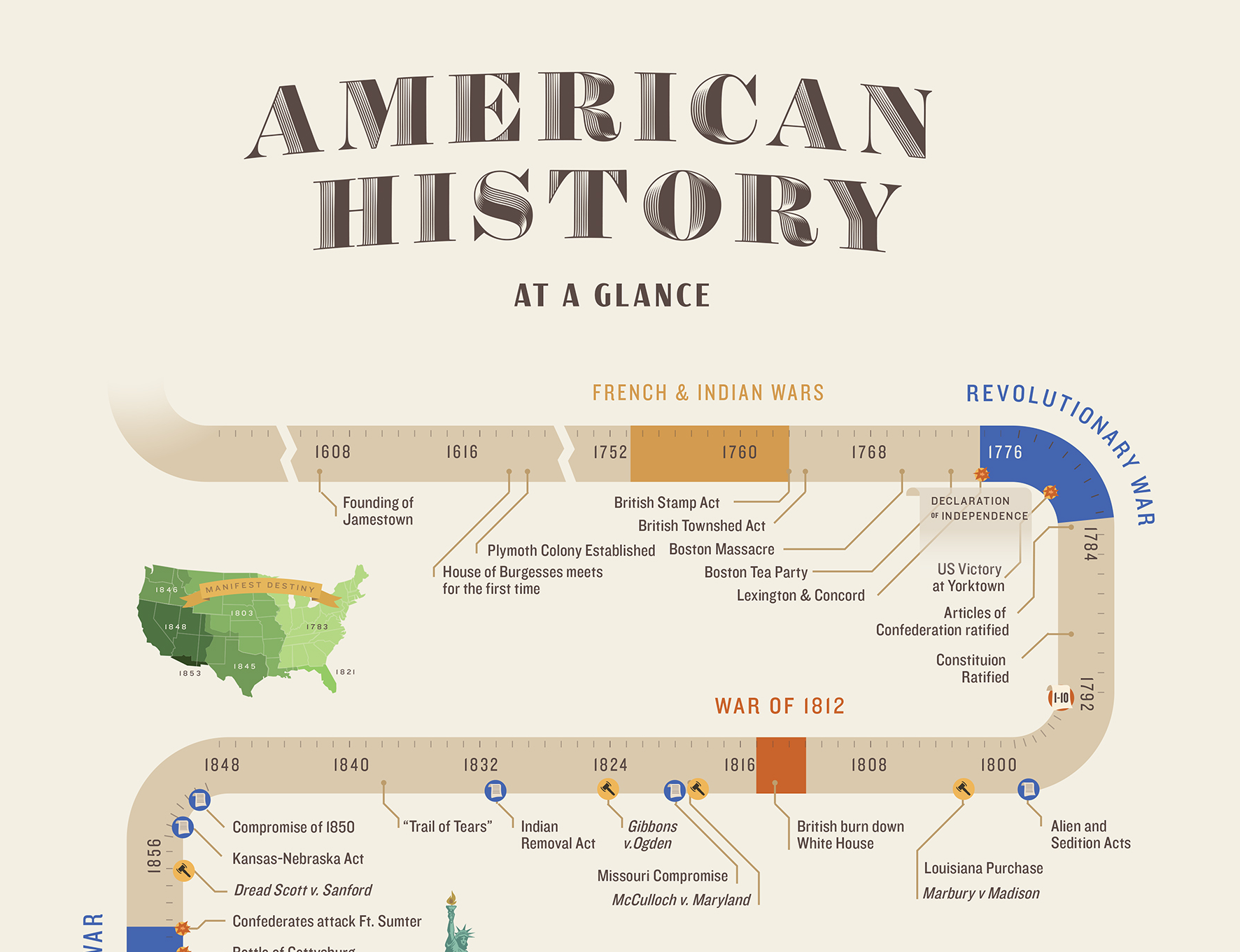
Nothing about this is easy, so we have to develop the courage, steadfastness, and creativity to carry through. I have been reminded lately of how this is not as different from other eras in American history as we might think (more posts about that, maybe), and let’s take from that the hope and faith that we, too, will succeed in advancing democracy.
 Affirming Democracy, Gathering Resistance
Gary, this is just great, and so important. I’m looking forward to what your have to say about each issue and level of concern. Dan