The Nation has an excellent article by Zephyr Teachout on US energy prices and policy and the need for reform. My immediate reason for posting about it, however, is not energy, it’s about the framing that the article utilizes for the discussion. The title is “Americans Are Being Bled Dry by Hidden Taxes.” It explains how “three private taxes are pushing electricity costs.” By “private taxes” Teachout means not government revenue levies but costs that accrue to American consumers as the result of unfavorable government policies or lack of policies where they are needed.
The three hidden taxes are:
- The AI tax: “the stratospheric rising cost built into the utility grid to support artificial intelligence” — i.e., massive data centers which are currently largely being either encouraged or allowed by government policy, without sufficient review or regulation. (Bernie Sanders and AOC are calling for a moratorium on data center construction until there can be appropriate Congressional review.)
- The Utility Tax: the monopoly rights granted by states to utility companies, giving them the ability to set prices, typically without sufficient price controls. According to Teachout, “investor-owned utilities have overcharged Americans $5 billion per year over the past 30 years.”
- The War Tax: the spike in costs resulting from the closing of the Strait of Hormuz, causing natural gas prices to “go haywire.”
I have long thought that an approach like this should be applied to what we might call “public accounting,” the cost-benefit analysis of public policies. At least since the rise of modern conservatism in the 1950s, much of our political discourse has revolved around taxes, with huge swaths of the American public believing that government taxes are inherently bad, some saying they are a necessary evil, others saying that they entail the federal government illegitimately “taking my money away.” Ronald Reagan put this language on steroids. The implication is that you and I could make better use of those funds than the government can. The ultimate result, if taken to its logical extreme, would be the elimination of virtually all government programs and their expenses.
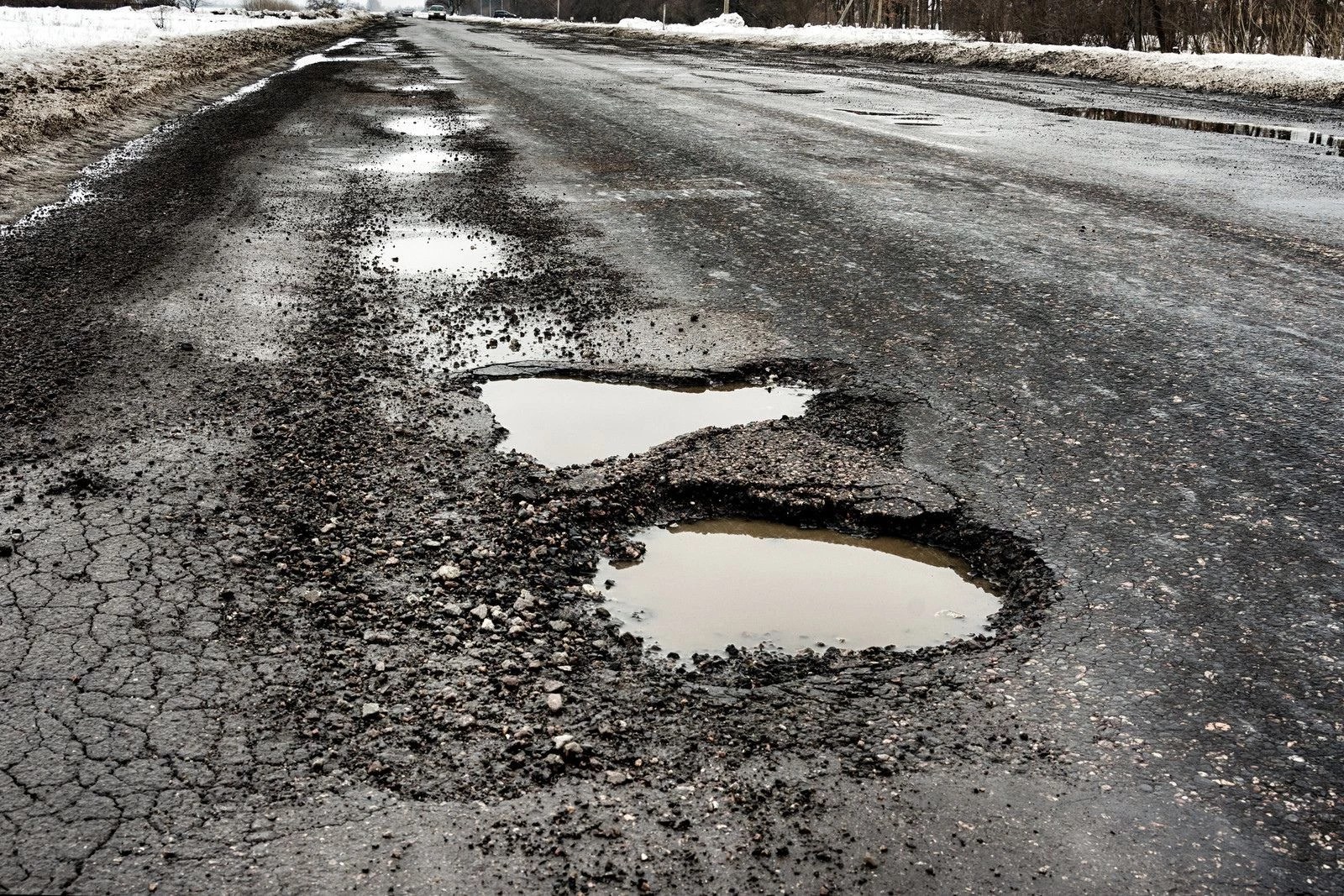
What is seldom discussed, and what Teachout thematizes, is the cost of not having government — i.e., collective public — agency. Calling such costs a “tax” places them in the same frame of reference as government levies. So, if you hit a pothole because the government has failed to levy sufficient taxes to fix the road, you the individual citizen/consumer are effectively paying a “private tax.” Reduction of government levies is not strictly a reduction; it is very often effectively a transfer of that tax to private individuals in another form. And typically this will be regressive. Just ask Elon Musk or Mark Zuckerberg how concerned they are about potholes.
Certainly there are times when government levies should be reduced (Trump’s tariff madness being a fine example). But reduction should not be the automatic goal of government fiscal policy or of the public discussion about taxes. Let’s do what we can to change the discourse.
 Affirming Democracy, Gathering Resistance